Season 3 ends with a decisive shift in power as Tulsa King season 3 ending explained becomes more than a recap—it becomes the key to understanding how Dwight Manfredi’s war in Tulsa escalates into something far larger than a local bourbon dispute. What begins as the fallout from the Tulsa King whiskey war collapses into a rescue mission, a mansion standoff, and a political victory that changes the balance of influence across the state. The finale moves quickly, but its narrative direction is clear: Dwight’s authority is slipping at the same rate that outside forces begin to rise.
The episode also tightens multiple long-running storylines. Dwight’s confrontation with Jack Dunmire comes to a definitive end, Margaret steps deeper into Oklahoma’s political circle, Joanne’s safety becomes a central emotional anchor, and Cal Thresher’s election reshapes the series’ landscape. But the most meaningful development arrives through Russell Washington Jr., whose quiet departure toward New Orleans sets the stage for the franchise expansion fans have been anticipating. All of these threads converge to create a finale that demands a closer look—exactly why viewers are searching for the Tulsa King season 3 ending explained.
Below is the full breakdown of what happens, who dies, and what the ending means for Season 4 and the upcoming spinoff.
What Happens in the Tulsa King Season 3 Finale (Episode 10 Recap)

Episode 10 begins with pressure building on every front. Dwight Manfredi’s expansion into Montague’s rare bourbon supply has pushed the Dunmire family into a corner. Tension between Dwight and Jeremiah Dunmire has been escalating all season, but in the finale it reaches a breaking point.
The Montague Distillery remains the centerpiece of the conflict—a business operation with enormous financial potential and enough illicit ties to fuel a full-scale war. For Dwight, the bourbon is more than a product line. It represents legitimacy, influence, and a future that might outlast the violent legacy he brought from New York. For Dunmire, it’s a symbol of the empire slipping from his hands. By the final episode, both men know they can’t coexist.
The finale works because it layers personal stakes on top of business stakes. Dwight’s crew feels the strain—Bodhi senses they’re pushing too far, Joanne becomes an unintended target, and Margaret begins positioning herself for a political shift that may or may not align with Dwight’s goals. It’s not just a war over barrels of bourbon; it’s a collision of ambition, loyalty, and pride.
The Mansion Ambush: Dunmire Makes His Final Move
The turning point comes when Jeremiah Dunmire crosses a line Dwight never expected: he kidnaps Joanne Manfredi. For a man who has taken bullets, buried friends, and built empires, threatening his sister becomes the final provocation Dwight cannot ignore.
Cole Dunmire, Jeremiah’s son, sees where things are headed and switches sides. It’s not loyalty—it’s survival. He warns Dwight about the kidnapping, setting up one of the most decisive confrontations of the season.
Dwight’s assault on the Dunmire mansion is less of a stylized action sequence and more of a fast, brutal takedown. The show doesn’t linger on extended shootouts or drawn-out standoffs; instead, it focuses on decisive moves. Dwight leads the charge, dismantles the resistance, and confronts Jeremiah in a final moment that ends with the Dunmire patriarch burning inside his own home.
Jeremiah’s death isn’t meant to shock fans—it’s meant to close a chapter. For three seasons, the Dunmires have acted as an old-guard presence in Oklahoma’s underground economy. Their exit marks the end of that era and clears the board for new players.
The Tape Deal and Chickie Musso’s Last Words
While Dwight’s battle with the Dunmires is the physical climax of the season, a quieter but equally important conflict plays out in the background: the pressure from federal agent Musso and the taped confession that could end Chickie Invernizzi’s freedom.
Dwight’s plan is pragmatic. He trades the tape for a federal liquor license—a strategic move that would give him legal footing to control the Montague bourbon supply. It’s the kind of high-level maneuver that shows Dwight evolving into a more calculated figure, someone who understands that staying alive requires more than muscle.
But the fallout comes fast. Chickie Musso learns that Dwight handed over leverage that could have protected him. Before dying, Musso leaves Dwight with a final, chilling message: “You f—ing owe me.”
This moment matters because it reinstates the unresolved tension between Dwight and the remnants of his New York past. Even without Chickie, the Invernizzi family still has influence, and debts in the mob world never dissolve quietly.
Who Dies in the Tulsa King Season 3 Ending?
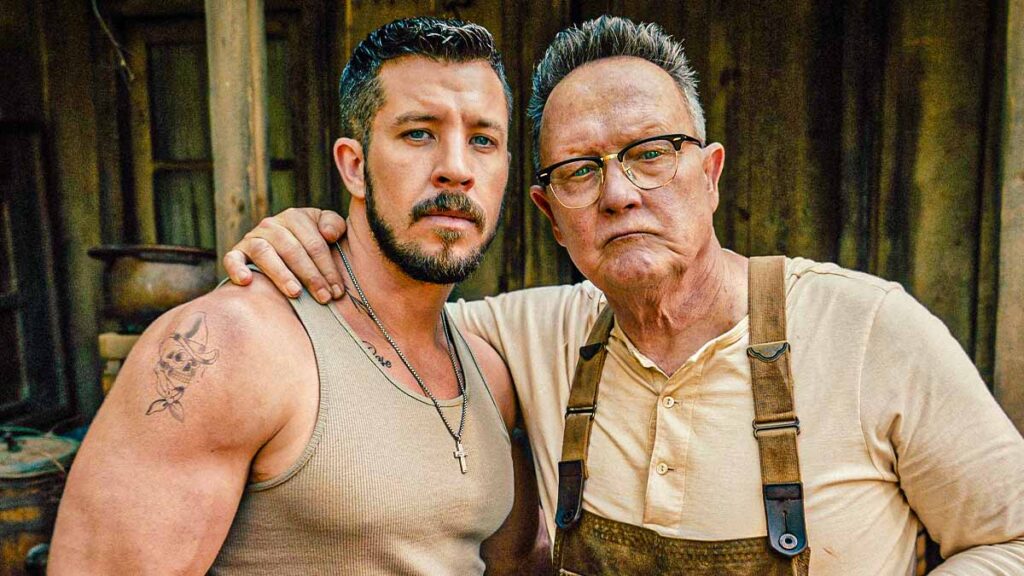
The finale has a noticeable body count, but every death is purposeful.
Jeremiah Dunmire
The primary antagonist of Season 3, he dies in the mansion fire after Dwight’s assault. His death ends the whiskey-war storyline and removes a legacy power figure from Oklahoma’s crime landscape.
Montague’s Owner
Killed earlier in the season, his absence becomes fully felt in the finale. With no legitimate owner to challenge Dwight or Dunmire, the bourbon operation becomes the perfect prize for the strongest survivor.
Multiple Dunmire Soldiers
Collateral losses during the mansion raid. Their deaths underline one theme of the finale: old empires collapse quickly once their leaders fall.
In fan communities, reactions were mixed but passionate. Some praised the finale’s fast, ruthless resolution; others felt the show pushed Dwight into near-superhuman territory. One popular Reddit sentiment summed it up: “He’s too old to be doing this, but nobody plays ‘cornered crime boss’ like Stallone.”
Regardless of viewer opinions, the deaths serve a clear narrative role—they wipe the slate clean for Season 4 and open space for the next adversary.
Who Really Wins the Whiskey War?
The straightforward answer is Dwight Manfredi. He survives the final confrontation, secures control of the bourbon supply, removes the Dunmires from the board, and negotiates a federal foothold.
But the finale makes it clear that victory comes with consequences.
Dwight gains influence, but loses stability.
He gains power, but gains enemies just as quickly.
He wins the war, but emerges visibly shaken.
The whiskey war isn’t framed as a triumphant conquest—it’s portrayed as a necessary but exhausting chapter that pushes Dwight closer to the edge. Sheridan’s writing emphasizes that even when Dwight wins, he loses a little piece of himself.
And as the episode transitions toward its final moments, it becomes clear that the real threat isn’t in Tulsa anymore.
Does Thresher Win the Election? And Why the Outcome Matters
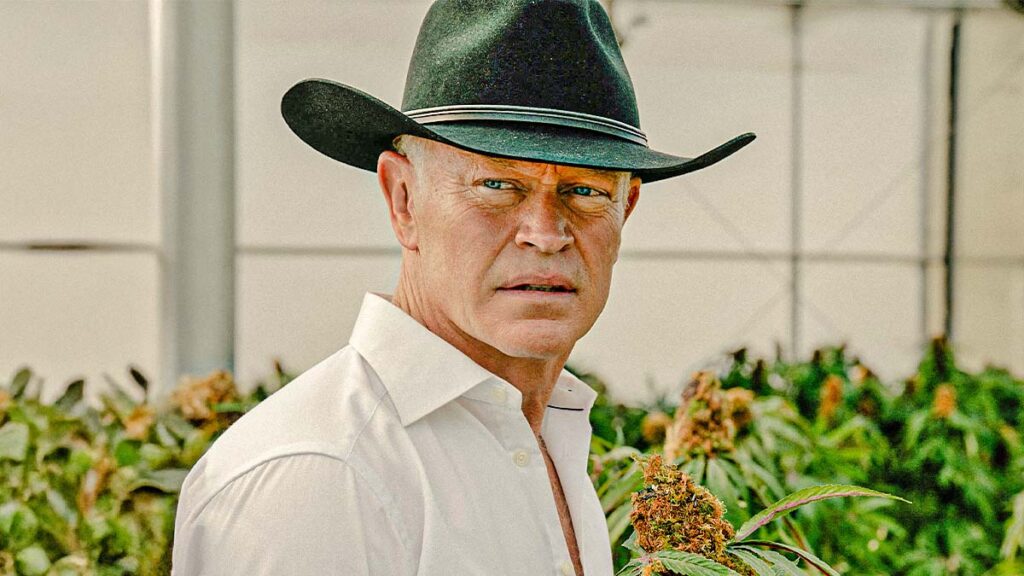
While the Dunmire conflict reaches its violent end, the political storyline moves quietly in the background—an approach that becomes meaningful once the episode reaches its final stretch. Cal Thresher wins the Oklahoma governorship, a victory shaped in part by Margaret’s influence and the connections she’s been building throughout the season. For Dwight, this political shift is not just relevant—it’s strategic. A friendly administration can shield certain business ventures, speed up licensing, and create opportunities that people in Dwight’s position rarely get.
The election result signals a shift in the show’s power structure. Up to now, Tulsa King has focused heavily on ground-level conflict—bar fights, ambushes, neighborhood skirmishes. With Thresher in office, the series expands upward. Political alliances start mattering as much as criminal ones, and the finale uses this moment to widen the scope of what the show can explore in Season 4. It’s the beginning of a narrative evolution from street-level drama to state-level influence.
Tulsa King Season 3 Ending Explained — What the Final Scene Really Means

The final scene of the Season 3 finale isn’t loud or explosive. Instead, it’s unnervingly quiet—a tone shift that speaks louder than any shootout. Dwight sits with his circle, the people who survived another season of betrayals, near-misses, and shifting allegiances. There’s laughter, relief, and a false sense of normalcy. But the moment is deliberately short-lived.
The camera holds on Dwight a second longer than expected. It’s subtle, but fans immediately noticed it: this is not the confident king who swaggered his way into Tulsa in Season 1. This is a man carrying the weight of his decisions, aware that the wins are becoming more costly and the enemies more sophisticated.
That’s when the show quietly redirects attention to Russell Lee Washington Jr. His appearance is brief, almost understated, but symbolic. He isn’t just a man leaving Tulsa—he’s the embodiment of the next chapter. Russell operates with a different kind of confidence, one rooted in anticipation rather than survival. The finale positions him as a rising force, someone who understands opportunity the way Dwight used to.
The core meaning of the ending is this:
Dwight may have secured Tulsa, but he’s lost his momentum. The king stays on the throne, but his future is no longer tied to the city alone. The story is expanding, the stakes are evolving, and a new empire is taking shape in New Orleans. That is the emotional and narrative weight of the finale—a victory that feels more like a warning.
How Tulsa King Season 3 Sets Up NOLA King
Fans already know that NOLA King is coming, but the Season 3 finale does more than hint at it—it builds the foundation. Russell Lee Washington Jr., introduced earlier in the season, takes center stage in the future of Sheridan’s growing crime universe. His character brings a different tone, one that blends charm and threat with a strategic calm. Unlike Dwight, who leads with force, Russell leads with foresight.
New Orleans is a perfect backdrop for expansion. The city’s culture, politics, and criminal ecosystem offer a sharp contrast to Tulsa’s landscape. Where Tulsa emphasizes open conflict and direct confrontation, New Orleans offers complexity—layers of influence, hidden players, and a history of power shifting hands quietly. It’s clear the writers are preparing a world that will operate with different rules.
The finale sets the stage for the crossover potential between the two shows. Whether Dwight interacts with Russell in the future is still unknown, but the groundwork suggests that Sheridan is building a multi-city crime network similar to the structure of the Yellowstone universe. Season 4 of Tulsa King will likely explore how Dwight functions in a world where his influence no longer automatically extends to other territories.
NOLA King isn’t replacing Tulsa King—it’s expanding it.
Will There Be a Tulsa King Season 4? Renewal Status and What to Expect
Paramount+ has officially renewed the series for Season 4, and the finale makes it clear that the next chapter will move in a more interconnected direction. As Sheridan has done repeatedly across his franchises, Season 4 will likely bridge character arcs, expand the criminal landscape, and increase the political stakes.
Here are the most likely story directions based on the finale:
1. The Political Fallout
Dwight now has indirect access to the governor’s office. This gives him power, but also visibility—something he has never wanted. The political storyline could become one of the primary drivers of next season.
2. New Enemies in Oklahoma
With the Dunmires gone and Chickie out of the picture, Season 4 needs a fresh antagonist. Someone with deeper roots in state politics or law enforcement seems likely, especially with Dwight’s growing legitimacy.
3. The Tape Deal Won’t Sit Quietly
Musso’s final words linger. Even if Chickie is dead, unfinished business rarely ends cleanly in Sheridan’s world.
4. Increased Cross-State Influence
The introduction of NOLA King means we may see narratives that move between Tulsa and New Orleans, even if the main casts don’t fully crossover.
5. Dwight’s Emotional Decline
For the first time in the series, Dwight shows genuine uncertainty. Season 4 will likely explore the psychological cost of maintaining his empire.
Season 4 is expected to film on an accelerated schedule, consistent with Sheridan’s production style. If previous seasons are any indication, fans may see new episodes by late 2025 or early-to-mid 2026.
Final Verdict — The Crime Drama’s Most Personal Finale Yet
The Season 3 finale succeeds because it delivers closure while widening the series’ ambitions. Dwight finishes the bourbon war but loses the sense of control that once defined him. The Dunmires fall, but the victory feels hollow. Thresher takes office, but political power introduces new vulnerabilities. And Russell’s quiet departure signals a seismic shift for the franchise.
It’s a finale built on contrast—loud battles followed by quiet consequences. Sheridan’s writing leans into the emotional toll of leadership, highlighting how much Dwight has changed and how thin the line between control and collapse has become.
As Tulsa King prepares for Season 4 and NOLA King begins shaping its own identity, the series stands at a crossroads. The battlefield is bigger, the stakes are higher, and Dwight Manfredi’s reign is no longer guaranteed. For fans, that’s the thrill of the finale: victory comes with a price, and the future has never looked more uncertain.
More News Like this

Ata Cheema is the editor and publisher of EpisodeRadar. He covers U.S. television renewals, streaming schedules, and movie updates. Every article is human-written, fact-checked, and verified through official industry sources.